Lee Cant started his creative career as a graphic designer, working in a range of small businesses before running a multidisciplinary design agency. A strong interest in photography and computer graphics led him to learn more about 3D and CGI. Here he shares how he uses KeyShot in his day-to-day work, most of which is for the automotive industry.
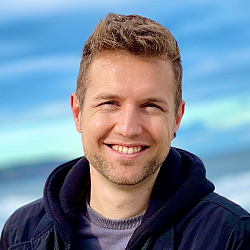
Lee Cant
Website | LinkedIn |Behance| Instagram
Modeling software used: Blender
3D 비주얼 제작을 시작하게 된 계기와 KeyShot 어떻게 배우게 되었나요?
I started out casually using KeyShot a couple of years ago. In recent years we’ve adopted a more recent Keyshot version to allow us to setup and render out a large portfolio of products that would have taken a considerable amount of time to achieve with real-world photography, not including the time to post-process and cutout the wheels from the backgrounds, which is made far easier with the option to render out product images without backgrounds using KeyShot. It allowed us to produce images that are perfectly identical in angles, lighting and setup, avoiding any jitter or misalignment such as placing the items slightly off-centre or at varying angles.
가장 좋아하는 프로젝트는 무엇인가요?
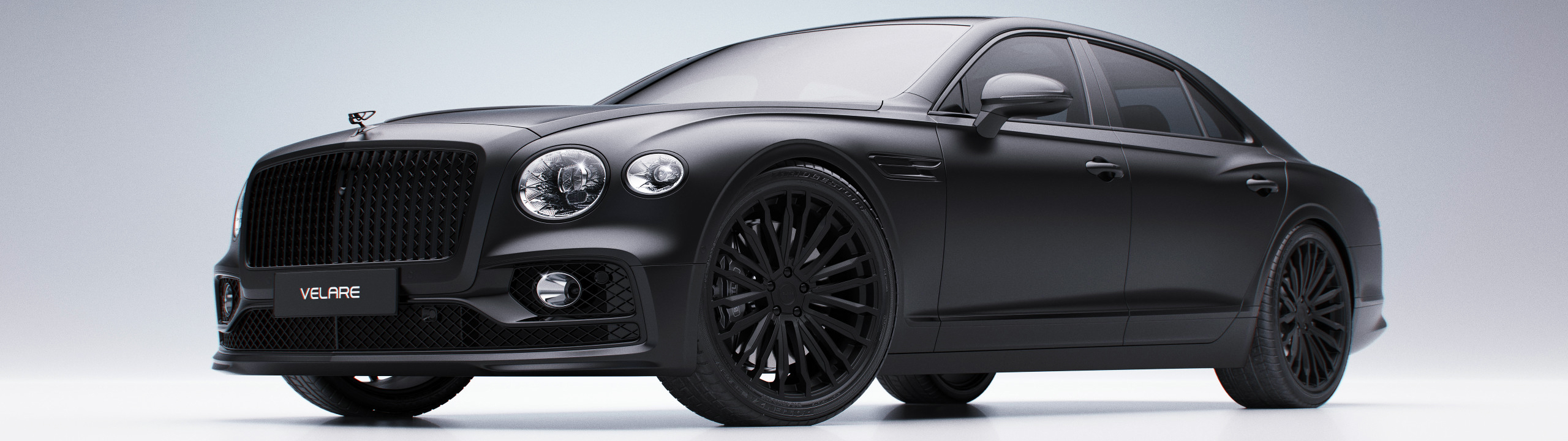
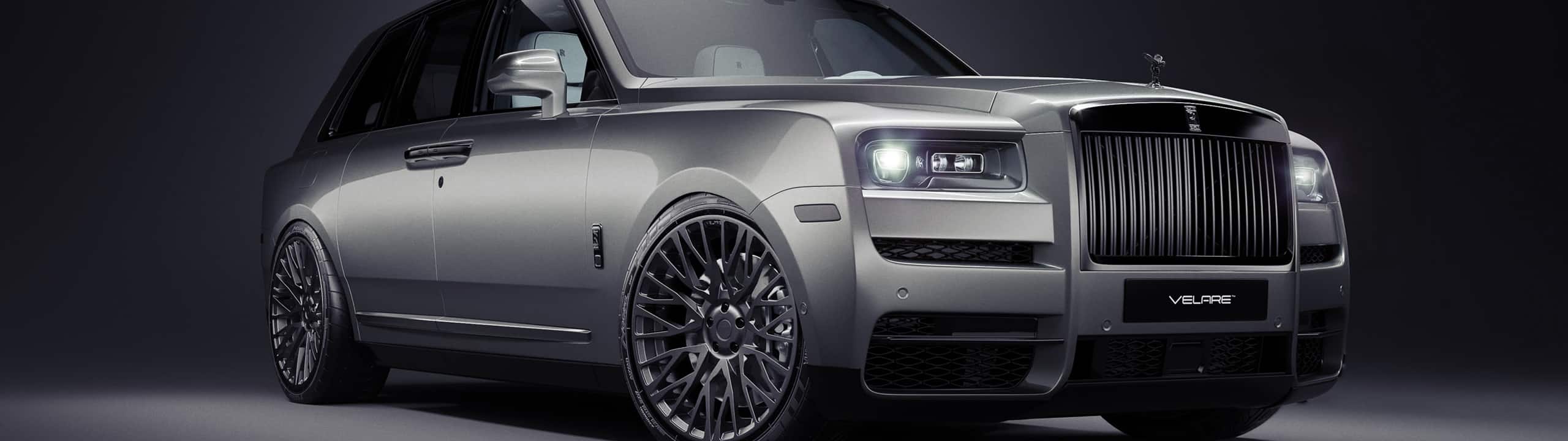
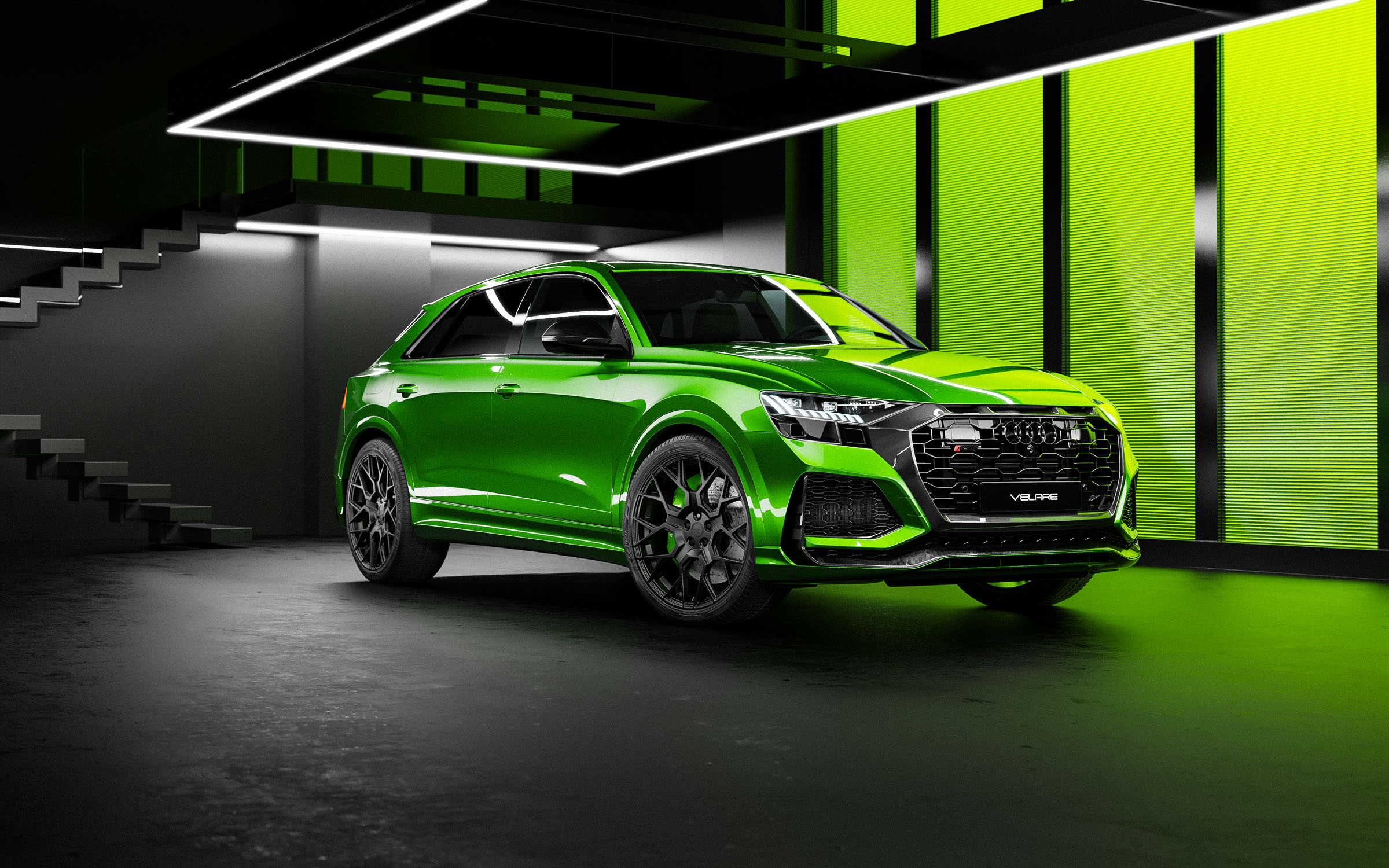
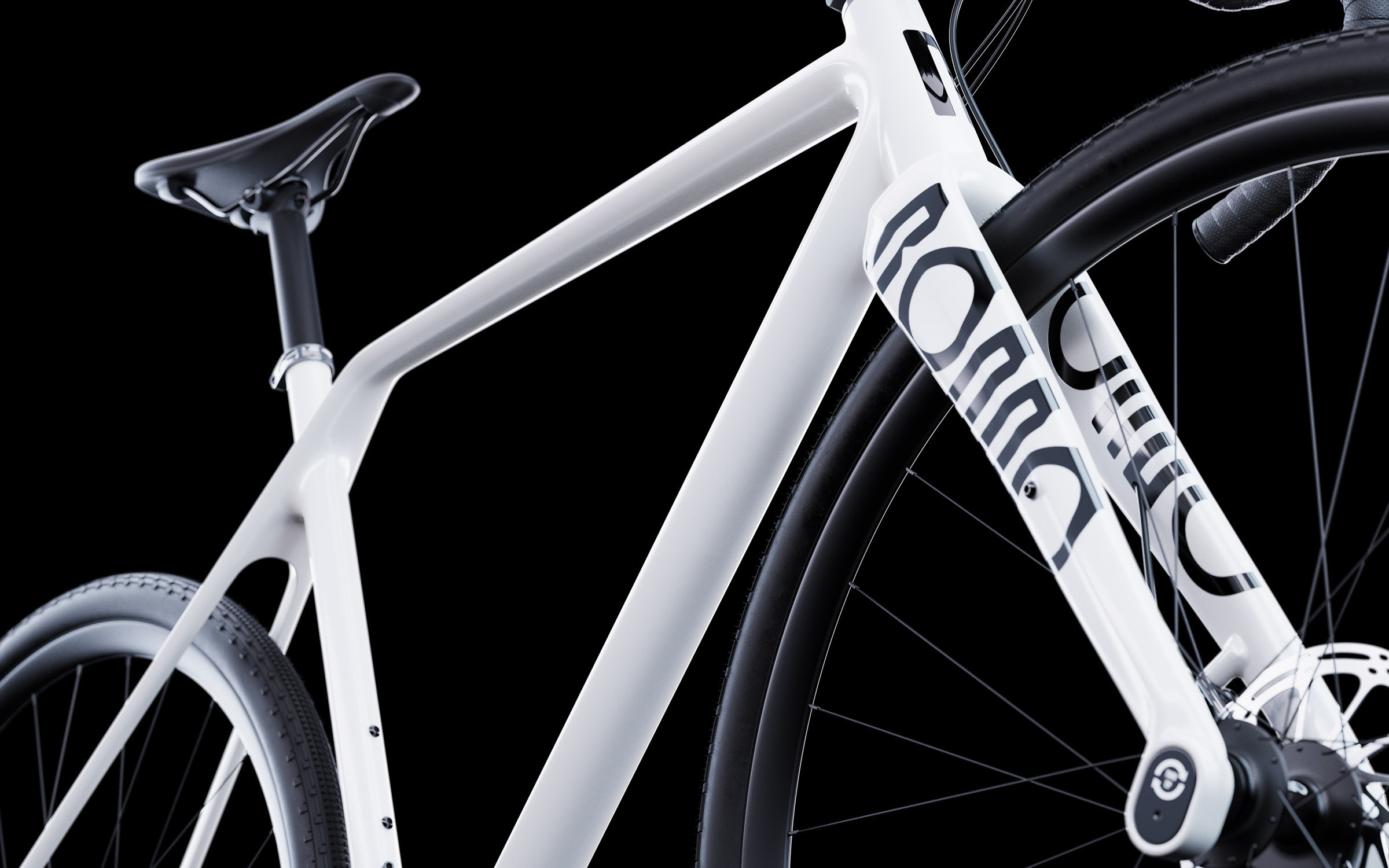
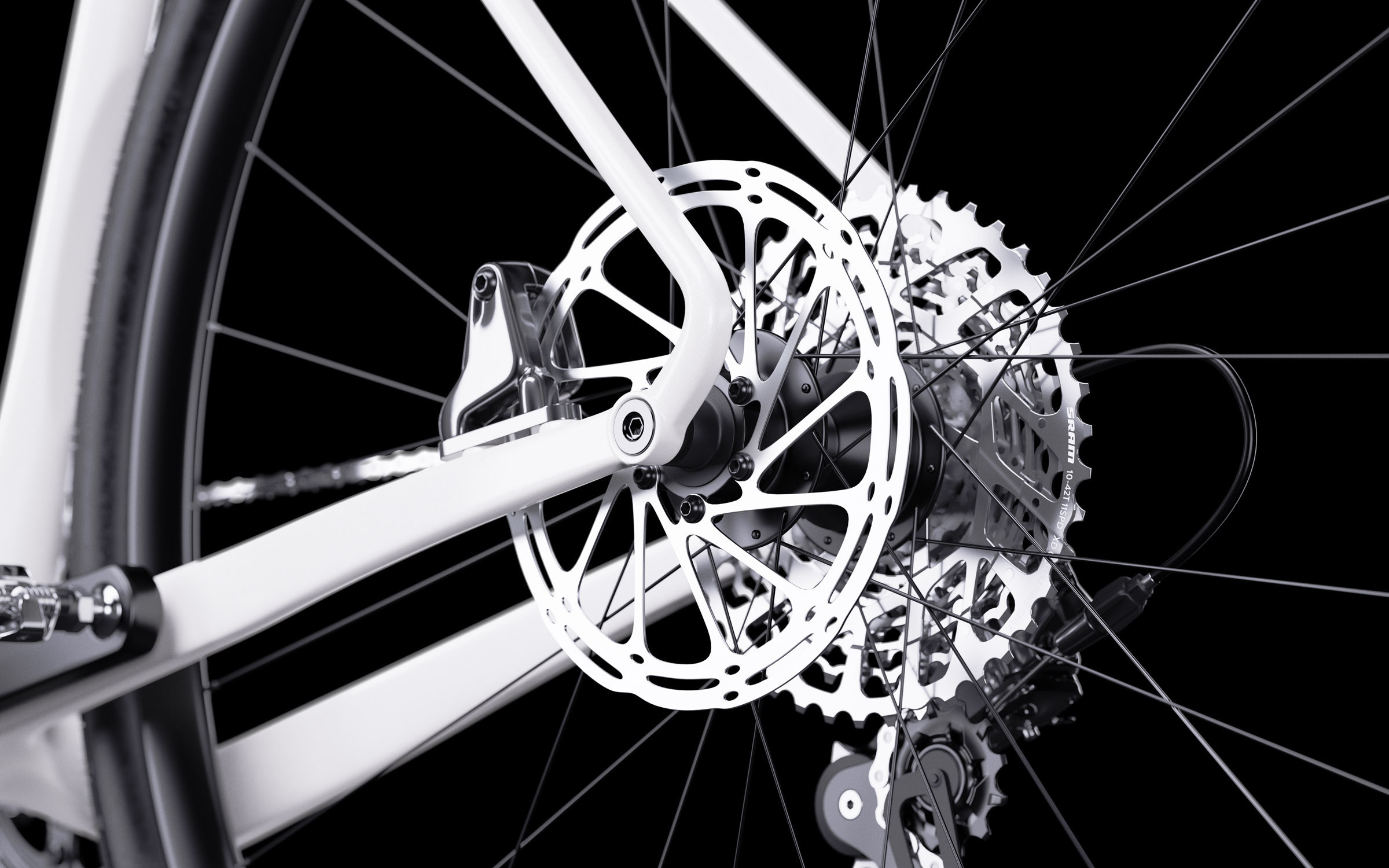
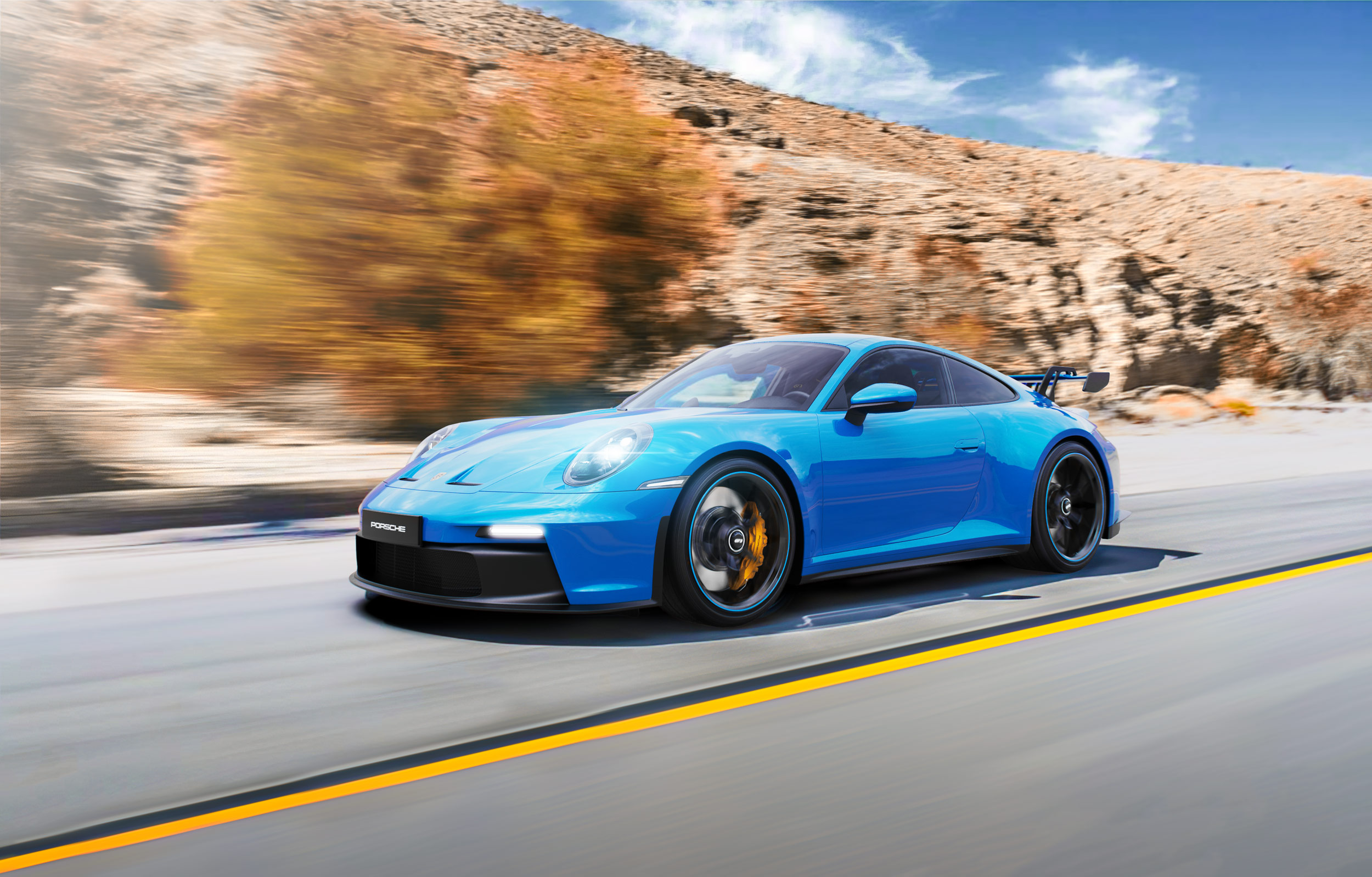
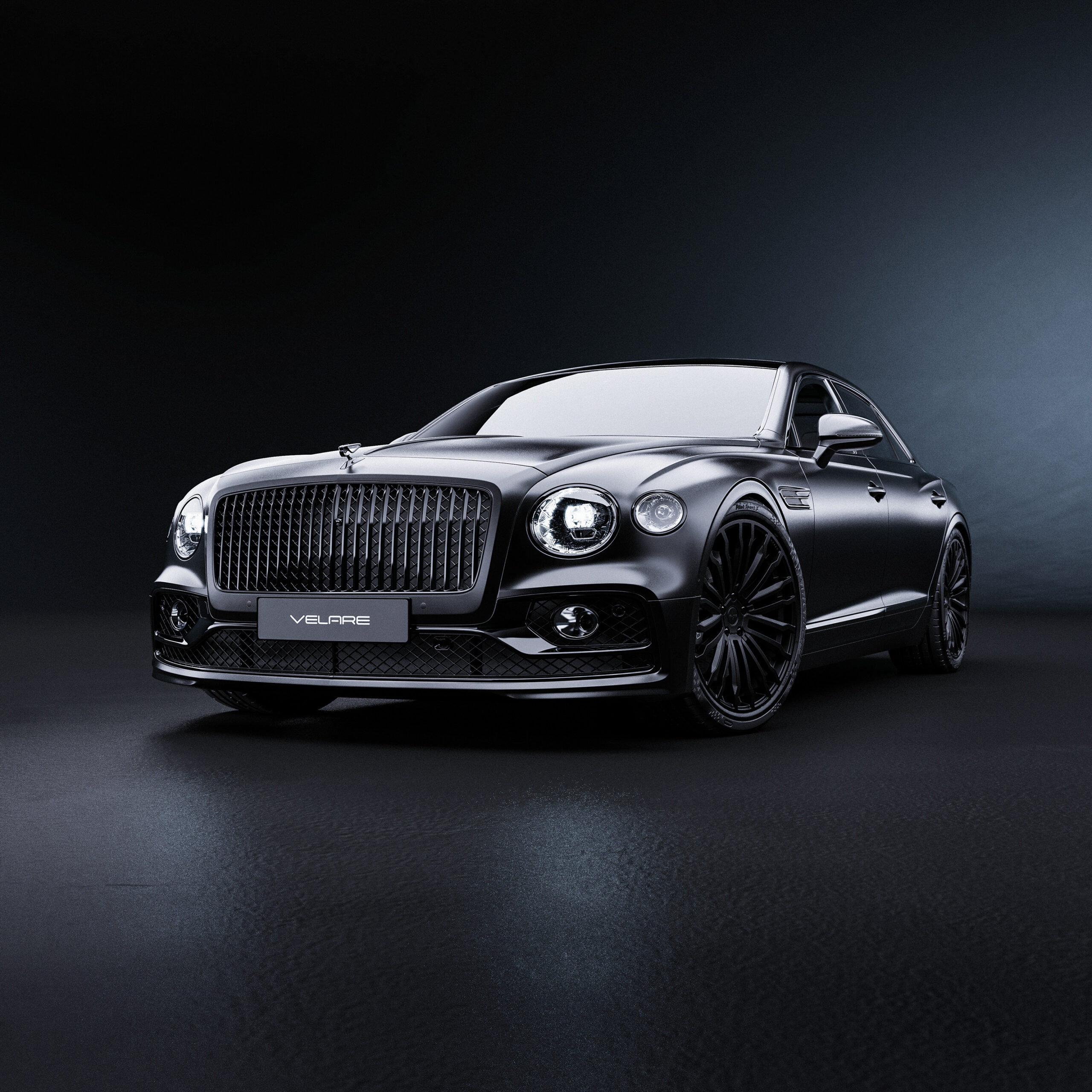
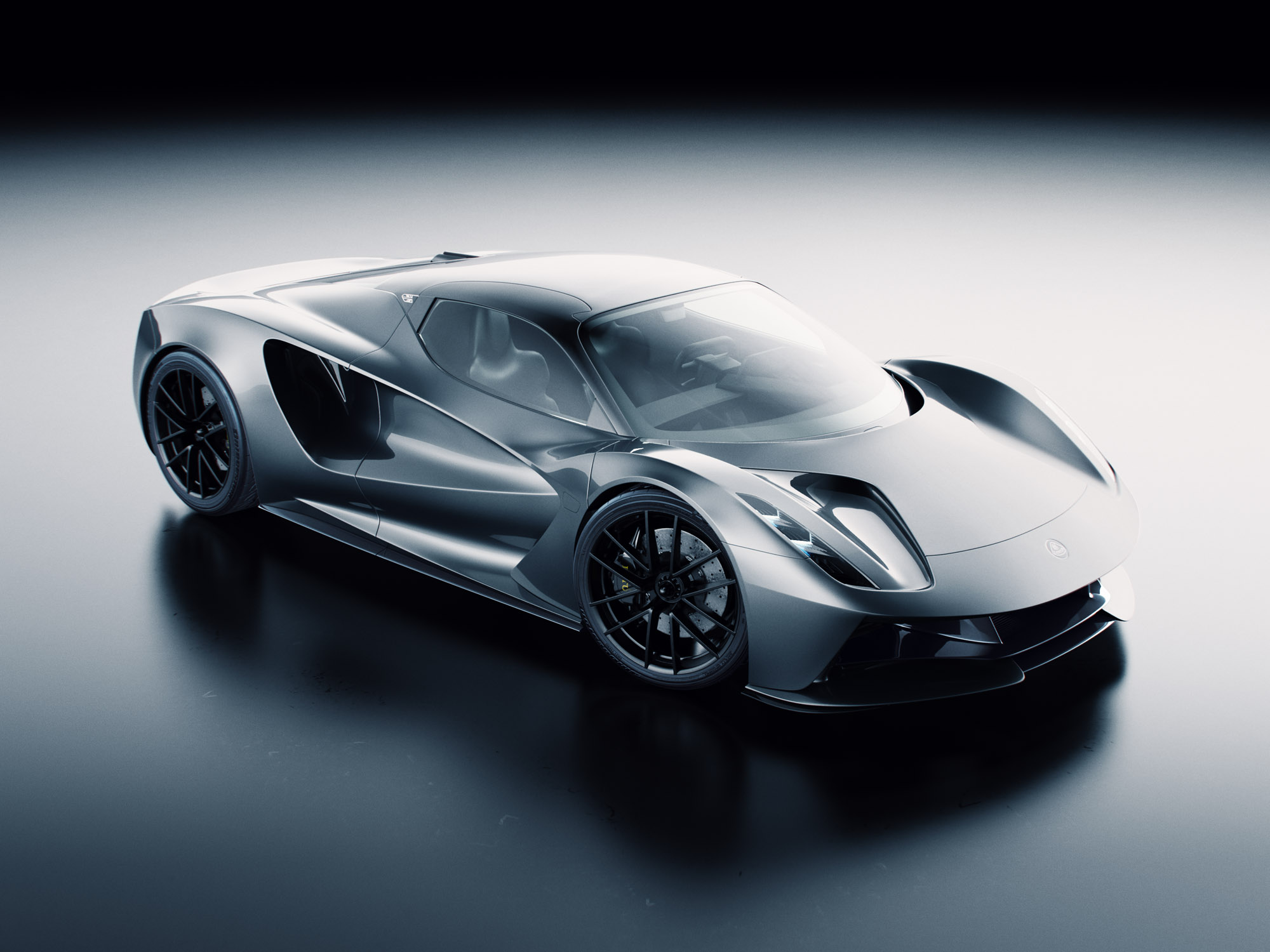
I work almost exclusively in the automotive industry, producing product images and product visualisations. I enjoy working on projects in and around the automotive category as I’ve had a keen interest in vehicles since being young. If I had to highlight any of the projects I’ve worked on as a favorite, it would have to say it would be the Audi Q8RS, Rolls-Royce Cullinan and the vast range of alloy wheel product images I’ve had the pleasure to work on.
디자인 철학을 어떻게 설명하시겠습니까?
When working in photography, graphic design or CGI/3D, I always like to work in a clean, direct format that gets to the point quickly, with few distractions or complications. I feel this format is vital in such a fast-paced world, where attention spans are the shortest of any generation that’s come before. It’s vital to grab the attention of your viewer quickly, then get to the point of the ad/product almost instantly.
I find it frustrating when I see designs or products that are complicated and busy, so naturally, my art style is clean and uncomplicated. When ideas hit I like to quickly prototype them without spending a lot of time and effort on something that might not develop into the initial idea. KeyShot is perfect for this task as it allows me to quickly hit the ground running, needing very little setup time, enabling me to get stuck right into the visualization process and then develop from there should I feel the idea works well.

프로세스의 어느 단계에서 KeyShot 사용하나요?
Generally speaking, I sketch up ideas in the traditional sense, via pencil and paper, allowing me to quickly get an idea if my mental concept will work in a visual sense. After this, I work in KeyShot where I set up the scene using basic items, boxes, panels, and lights along with the model I’m currently looking to promote. If needed, I pop over to other 3D software that is geared to producing 3D models to add to a more complex scene where needed.
가장 좋아하는 KeyShot 도구는 무엇인가요?
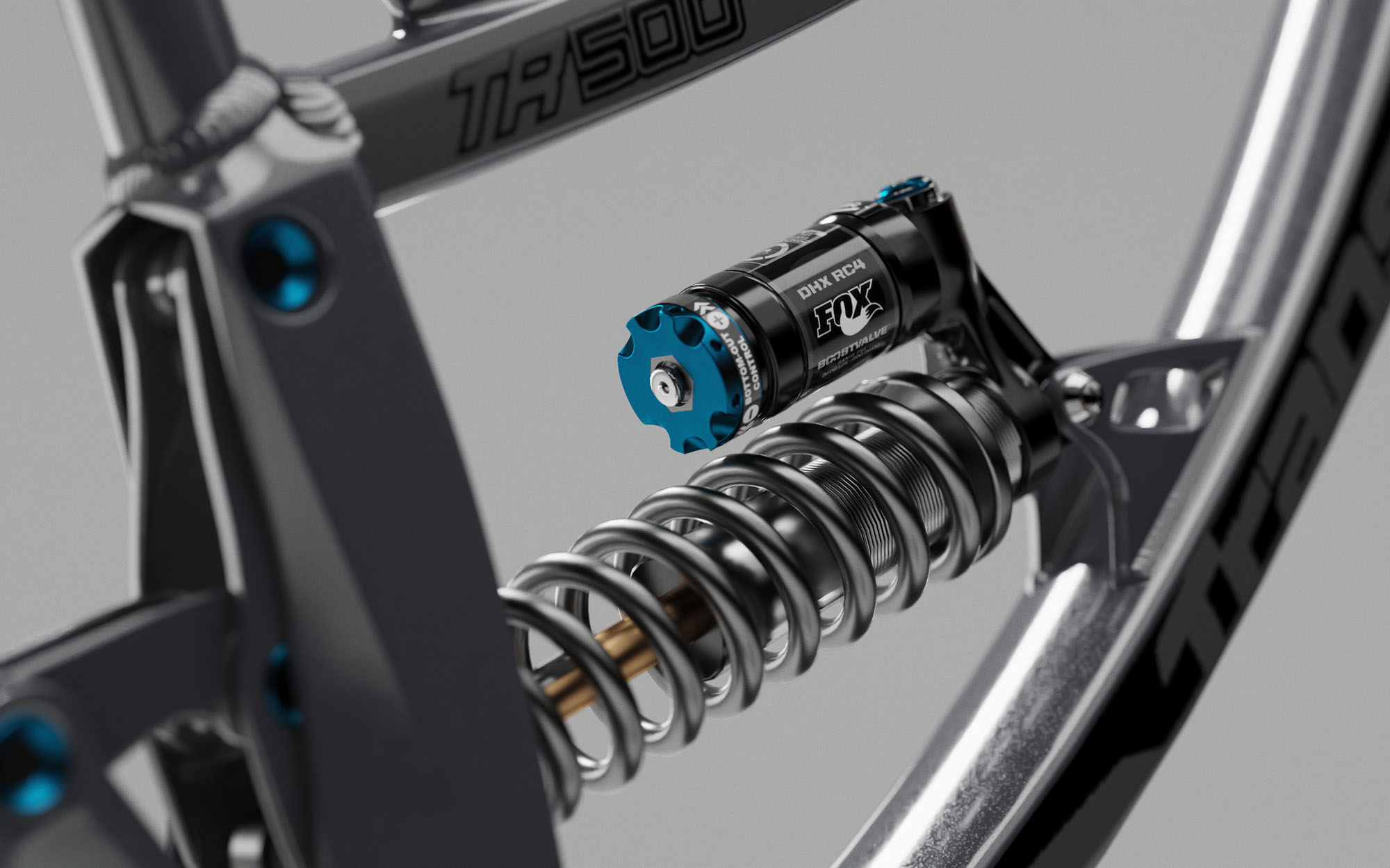
The whole KeyShot software is just so easy to navigate and use, but some core tools I use are the Normals, Split Object and Split Surface.
Also, Solo Mode is a big help, focusing all your GPU/CPU power on rendering just the material on the selected object/part without needing to render the whole scene, making adjustments to materials much quicker.
Additionally, the Material Graph is incredibly powerful and allows me to achieve pretty much any material I need with complex settings and functions.
The GPU mode is also a huge part of my workflow, allowing me to hammer out images, especially when I leave KeyShot to batch-process images/studios.
Speaking of studios, I find they are incredibly powerful, allowing me to vizualise a product in a range of finishes, scenes or with different lighting, which I can then batch render out to images. This saves me a huge amount of time manually changing finishes and lights and then rendering out individual scenes and finishes one by one. It is a vital part of my workflow and saves me countless hours of additional work.
영감은 어디서 얻나요?
A majority of my work usually starts with ideas that come to mind, based on project descriptions and client briefs, quickly grabbing the fleeting imagination image is key during the conversation or reading through a brief. But like all creatives at some point I come up with ideas less frequently, and that’s when I look to other very talented artists either using Instagram or Behance, which usually sparks new ideas.
3D 시각화를 고려하고 있는 포토그래퍼에게 어떤 조언을 해주시겠습니까?
I would say that if you have a genuine interest and passion for the creative field, get inspiration from works by artists you admire. Give yourself a brief and then work on the idea from start to finish, creating a range of images that show your working out and final images, to show your creative ideas to end users and potential employer/business. And of course — the sentence that’s been beaten to death — “practice, practice, practice.” I couldn’t agree more. The more you work at it the better you get, no matter the industry or skill.