


Intro
Hi, I’m Tan, a senior Industrial Design student currently based in Turkey. My work focuses on minimal and functional design, aiming to create thoughtful and practical solutions for everyday life. I strongly believe that a product should tell a story, and in my process I try to ensure that the inspiration behind a product and its functionality stand in balance, so that the narrative never overpowers usability and usability never feels detached from meaning.
During my studies, I was always drawn to rendering. I admired high-quality visualizations I saw online and was curious about how they were created. When I first encountered KeyShot and saw the level of realism it could achieve, I assumed it would be highly complex and difficult to master. However, I quickly realized how intuitive and accessible it was, which made the learning process both engaging and motivating.
Visualization plays an important role in my process, and KeyShot Studio has consistently been part of my workflow. I genuinely enjoy visualizing my designs, using light and material to understand how a product communicates before it physically exists.
You can learn more about me and see more work via Instagram and LinkedIn.

是什么激发了你对设计的兴趣?
I grew up in a family closely connected to art, so creativity and visual thinking were always part of my environment. Being surrounded by artistic expression from an early age shaped my sensitivity to form and aesthetics. Over time, that exposure evolved into a deeper curiosity about how objects function and make people feel, which ultimately led me to pursue industrial design.
Once I began experimenting with KeyShot consistently, I realized that progress comes from engagement rather than waiting until you feel ready.
Design and visualization grow through repetition. Improvement is less about talent and more about sustained effort.

您最喜欢哪些项目?
Some of my favorite projects vary in scale, including a compact office caravan developed as a group project and a micromobility concept aimed at improving circulation in enclosed parking and shopping areas. I also enjoyed exploring some brand identity projects that translated a brand’s core values into new product categories.
One of my most defining and favorite projects is the Petalia perfume bottle. It was my first in-depth exploration of glass, where I focused on transparency, refraction, and light interaction. Through this project, I learned to work with KeyShot’s caustics and gained a deeper understanding of how light behaves within glass. The project ultimately led to an internship at LAV, a glassware design and manufacturing company.


您在工作过程中的哪个环节使用了KeyShot Studio?
I use KeyShot Studio throughout my design process, not just at the final presentation stage. After shaping the concept and refining the model, I move into visualization to see how materials and light influence the perception of the form. It often reveals subtle issues in proportion, surface transitions, or detailing that might not be obvious during modeling. For me, KeyShot is both a way to validate decisions and a space to experiment creatively.

您最喜欢的KeyShot Studio 工具或功能是什么?
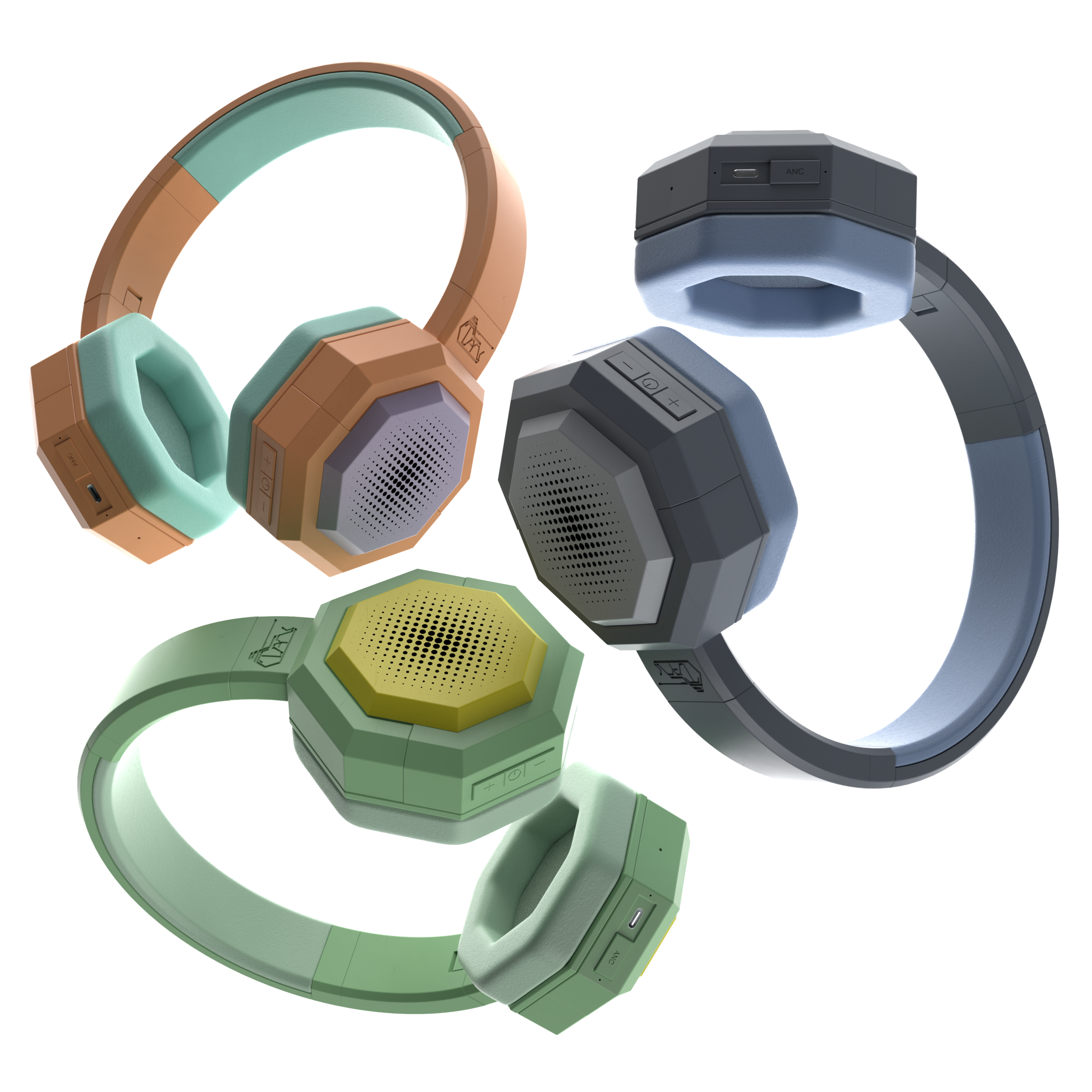
I would say Material Graph and HDRI Studio are the tools I use the most. I like having full control over materials, especially when adjusting textures and fine details, not only on my main model but also on scene assets. It gives me the flexibility to shape everything more intentionally instead of relying on presets.
HDRI Studio is equally important because it makes building my own studio lighting setup much easier. I can control highlights, adjust light direction, and shape reflections in a very intuitive way. I also enjoy experimenting with different HDRI images to quickly test atmospheres until the lighting truly supports the story of the design.
对于有兴趣从事您所从事工作的人,您有什么建议?
If I could give one piece of advice, it would be not to be intimidated by tools or by the level of work you see online. When I first started studying industrial design, I admired high-quality renders and models and assumed they were far beyond my reach. But once I began experimenting with KeyShot consistently, I realized that progress comes from engagement rather than waiting until you feel ready. Design and visualization grow through repetition. Improvement is less about talent and more about sustained effort.
At the same time, always focus on strengthening your design thinking, because strong visuals can enhance an idea, but they cannot replace it. Growth is less about talent and more about sustained effort.

For me, KeyShot is both a way to validate decisions and a space to experiment creatively.
相关艺术家
Tan Kutay Koksal knows the power of progress

Tom Mason renders artistic visions for the real world
