
Introduction
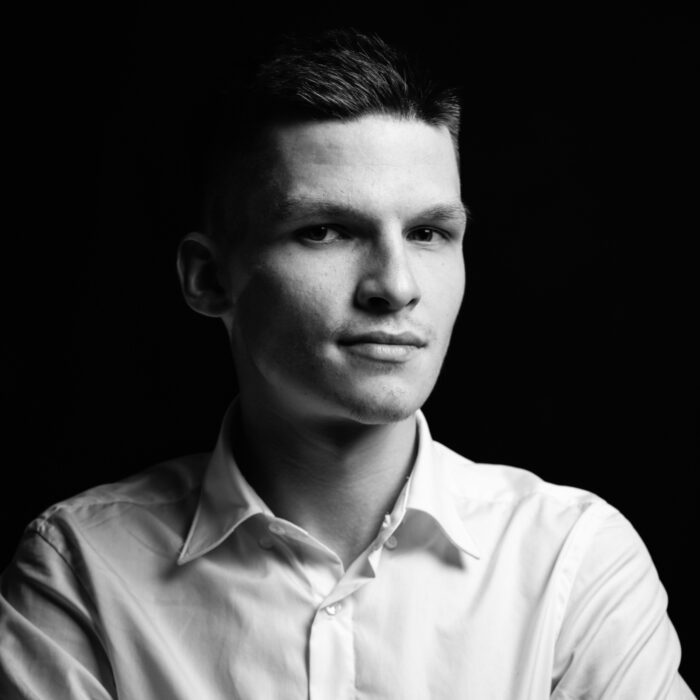
My name is David Borovic-Ivanov, and I am an industrial designer from Timișoara, Romania. I am currently a PhD candidate in industrial design, continuing my research and practice around product design, mobility, and future-oriented design concepts.
My work is focused on dynamic and expressive forms that challenge the traditional language of product design and create a strong visual identity. I am interested in products that do more than simply function well. I want them to communicate emotion, movement, and character, even when they are standing still.
Throughout my development as a designer, I have been especially drawn to mobility, future transportation, and the relationship between aesthetics, engineering, and user experience. I see industrial design as a way of transforming ideas into objects that feel alive, memorable, and meaningful.
My work has been recognized both nationally and internationally. In 2025, I received the DesignEuropa Award in the Next Generation Designers category, and I was later invited to join the jury for the 2026 edition. I was also honored with the BIG SEE Perspective Award 2026.
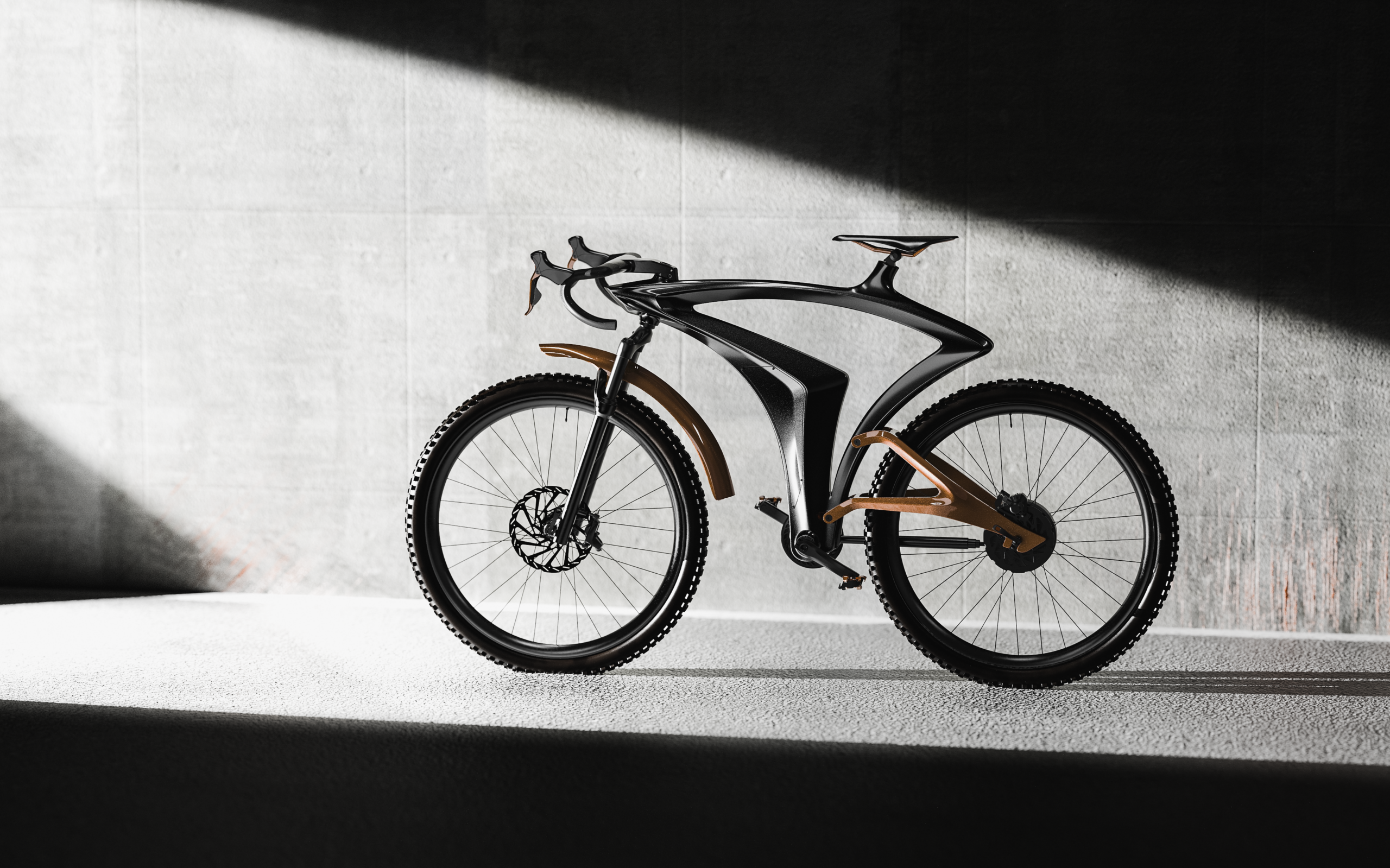
Alongside my design practice, I am currently developing SYNTHESIS, an innovative bicycle concept that I am preparing for commercial development. I am also part of the KeyShot Student Ambassador program, where I share my workflow with students through masterclasses and educational activities focused on product visualization, rendering, and design communication.
你用的是什么建模软件?
My CAD and design process is divided across several tools, because I believe that a strong product cannot always be developed properly inside a single software environment. I usually begin with sketches, then move into 3D to explore the main proportions and overall form.
For early surface development, I work with Autodesk Alias and Rhino, using SubD and T-Splines to quickly define the design direction. Once the main volume feels right, I rebuild and refine the surfaces with a more precise Class-A-oriented approach, mainly in Rhino 8 with xNURBS and also in Autodesk Alias.
I also use SolidWorks for assemblies, mechanical components, and technical validation when the project requires a more engineering-focused workflow. KeyShot Studio is part of my process from an early stage, not only at the end. I use it to evaluate reflections, surface quality, proportions, materials, and the overall visual impact of the design. I also use KeyShot VR to review the object interactively, because being able to inspect every detail from different angles is extremely important in my workflow.
My advice would be to understand that every beautiful product is built with attention, passion, perseverance, and a lot of work.
A strong design does not usually appear immediately. It is developed over time, through many versions, mistakes, refinements, and decisions.
是什么让你对设计产生了兴趣?
My interest in design started in high school, when I became fascinated by technical drawing, geometry, and descriptive geometry. I also enjoyed drawing and painting, which helped me develop a strong sense of form and composition. At first, I planned to study architecture, but just before applying to university I made a last-minute decision to pursue industrial design instead. Looking back, it was one of the best decisions I have ever made.
During my first year at university, I discovered KeyShot through one of my professors. Seeing how ideas could be transformed into realistic visualizations completely changed the way I looked at product development. It inspired me to think beyond CAD modeling and understand the importance of communicating a design through light, materials, and storytelling.
I became especially interested in the way a concept evolves from a simple sketch into a real product, and how every decision, from proportions and surfaces to materials and details, can shape the user's emotional response. Over time, I developed a personal design language focused on dynamic forms, precision, and visual impact, always aiming to create products that are both functional and emotionally engaging.
你最喜欢哪些项目?
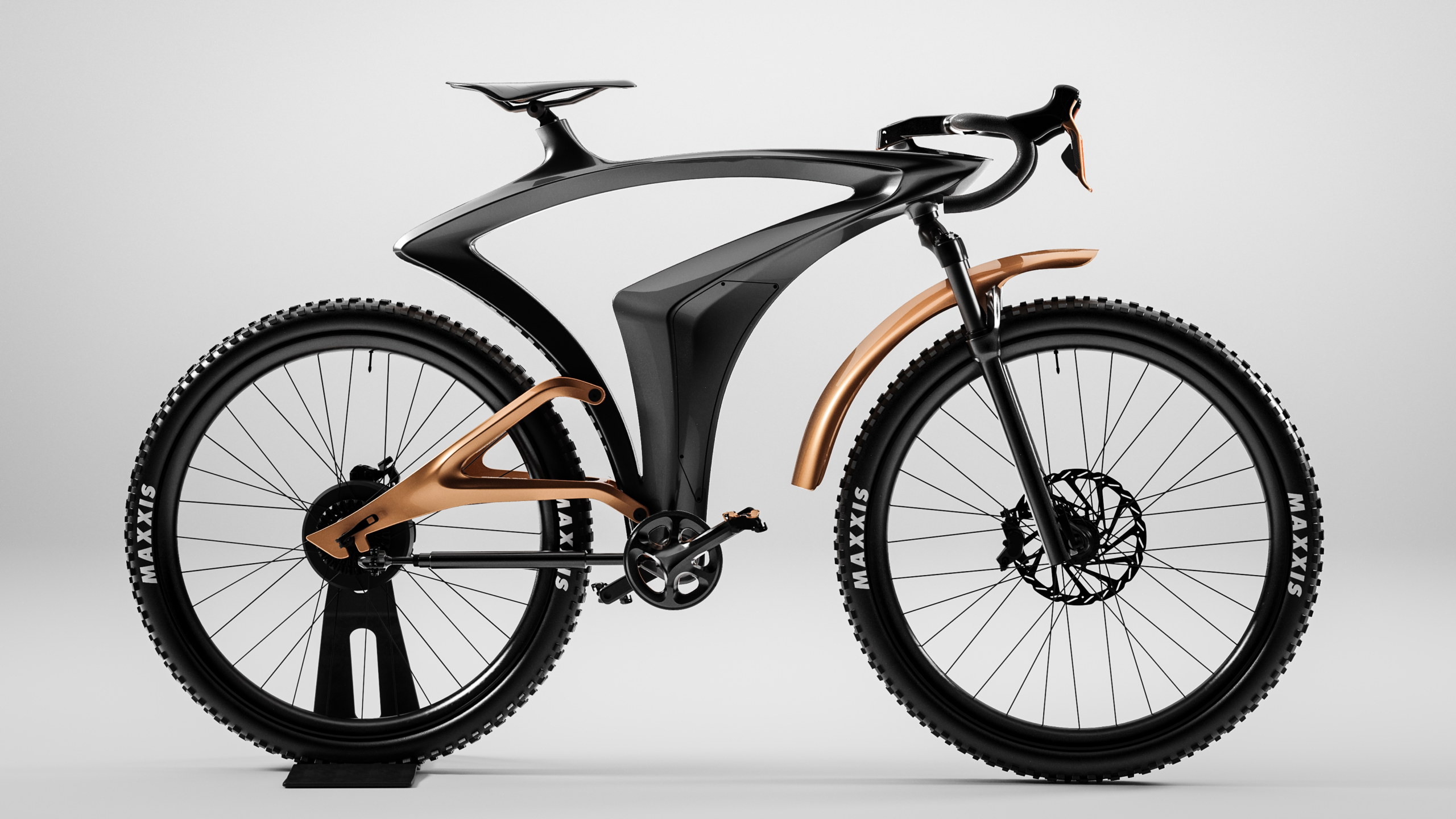
As a designer, I have worked on several different projects, from mobility concepts and boats to wearable products and freelance work for clients around the world. However, the project that represents me the most is SYNTHESIS, the electric bicycle concept I developed from an initial idea into a real physical prototype.
SYNTHESIS started as my bachelor’s degree project, but over time it became much more than an academic exercise. It became my signature project and the foundation of my design career. I continued developing it over the last two years, moving from a hobby-built prototype toward a more serious commercial direction.
What makes SYNTHESIS special to me is that it allowed me to experience the full journey of industrial design: research, sketching, CAD development, surface refinement, 3D printing, prototyping, visualization, presentation, and now preparation for commercialization. The current version is being further developed as SYNTHESIS 02, with the goal of producing components using industrial 3D printing and eventually carbon fiber molding.
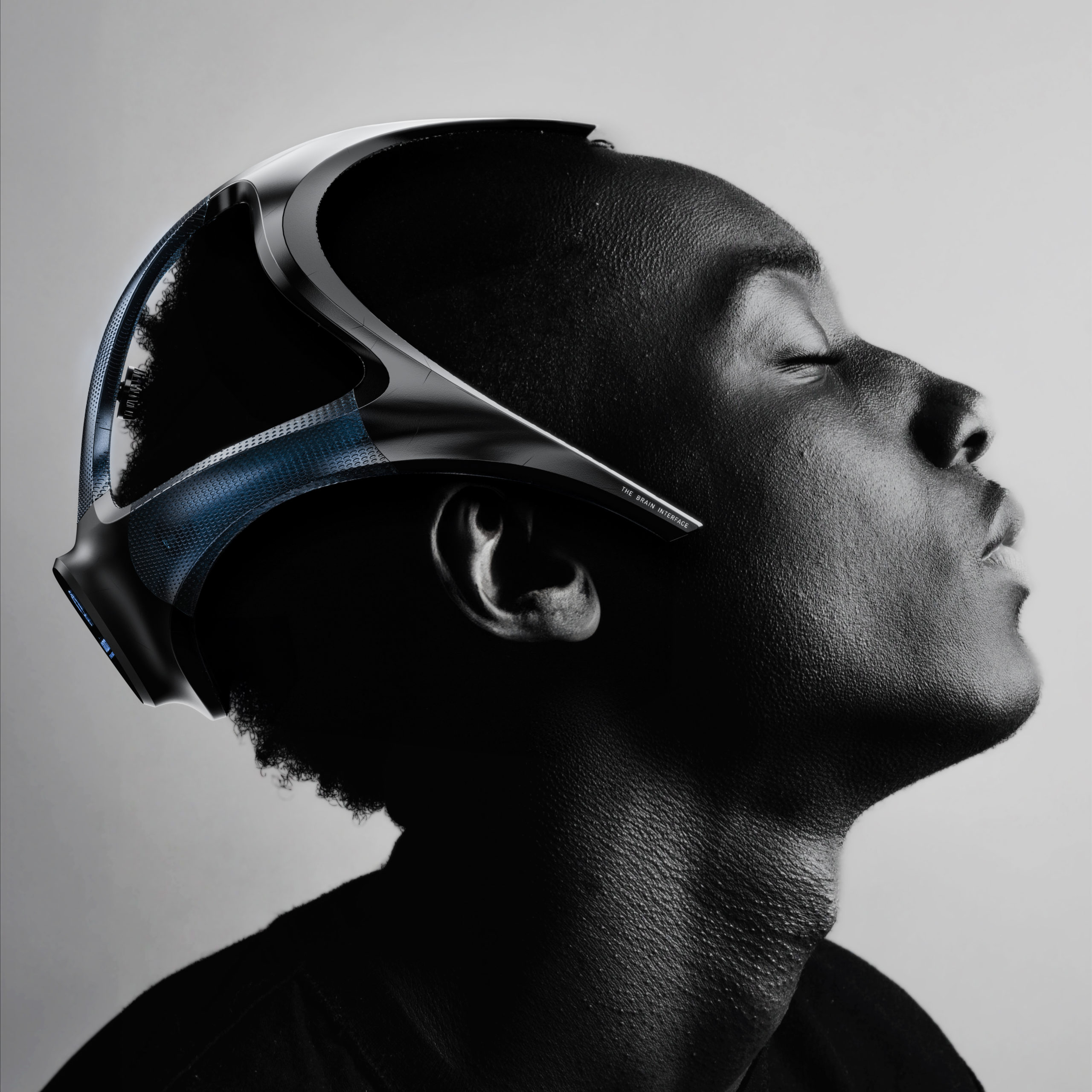
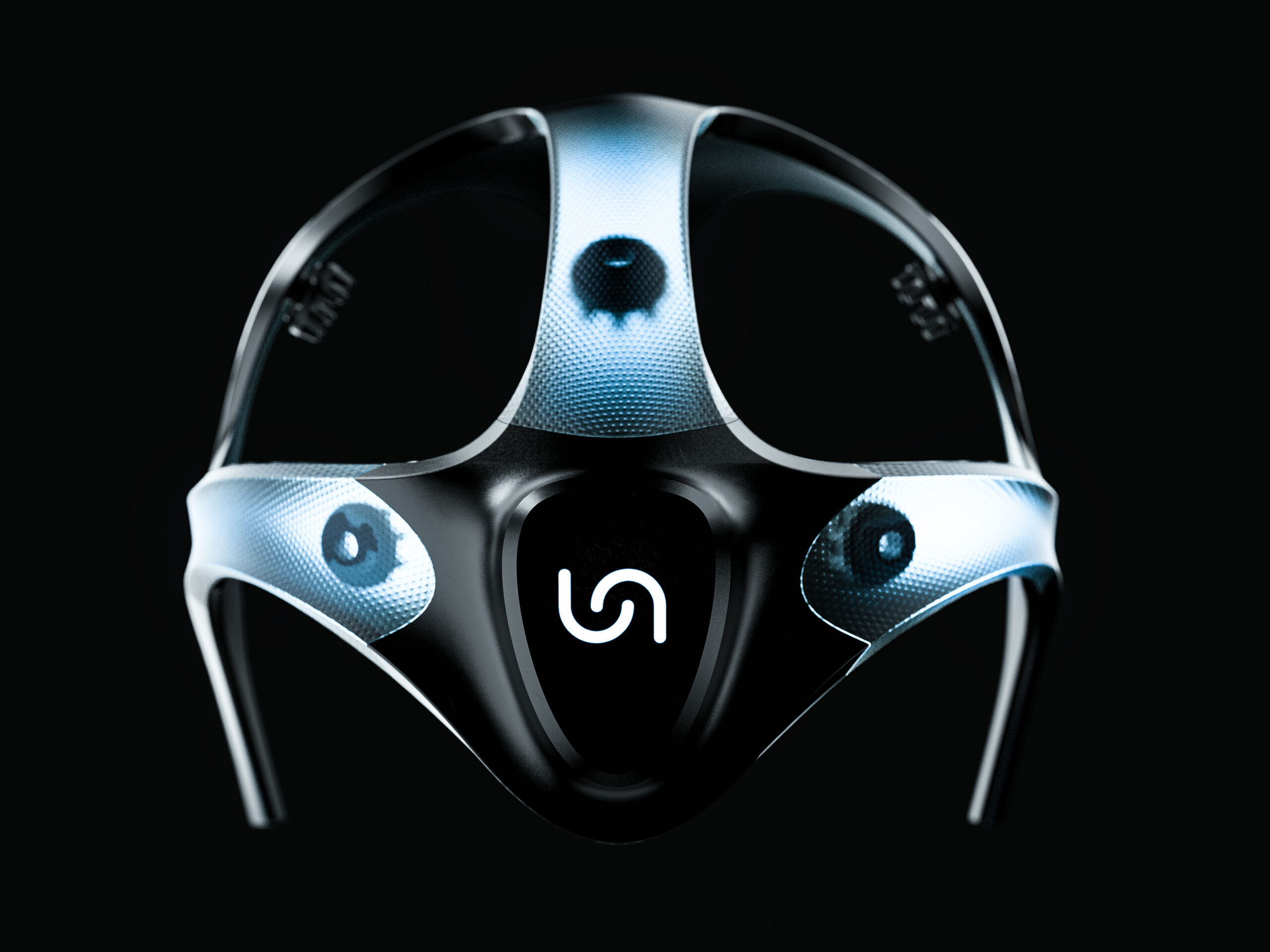
Another project I enjoyed working on was a BCI-inspired wearable helmet concept. It allowed me to explore a different type of product language, closer to the intersection between technology, the human body, and future interaction. Even though it is a very different object from SYNTHESIS, it follows the same design philosophy: dynamic surfaces, strong visual identity, and a balance between technical expression and emotional impact.
For me, these projects are not only isolated objects. They are platforms through which I can explore mobility, wearable technology, dynamic form language, engineering, visual storytelling, and the transition from concept to real product.
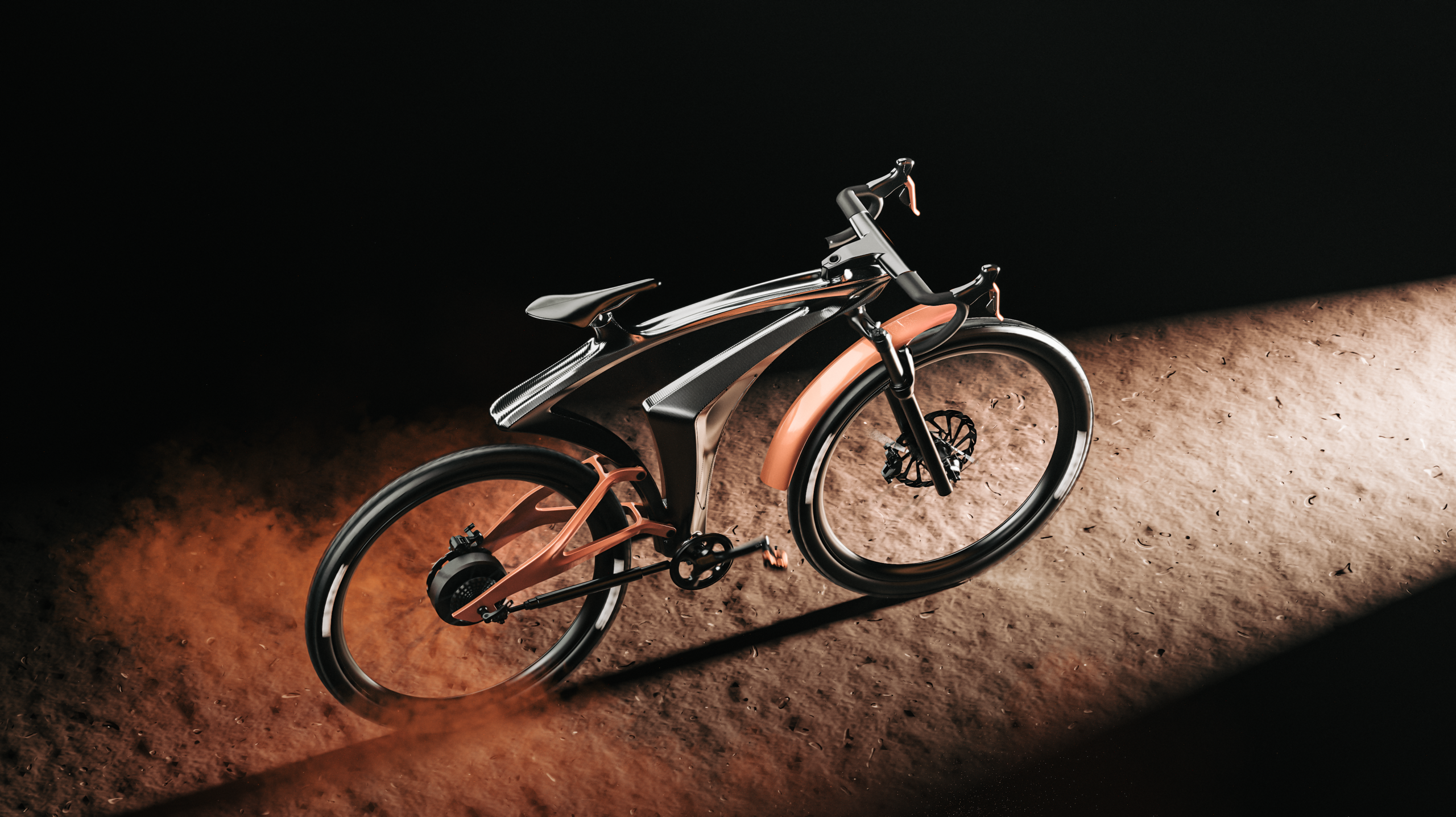
Where in the process is KeyShot Studio most effective?
At the moment, I use KeyShot Studio as my main visualization and rendering tool, but not only at the end of the design process. I use it from the development stage, when I need to evaluate proportions, surface flow, reflections, and the overall visual direction of a product.
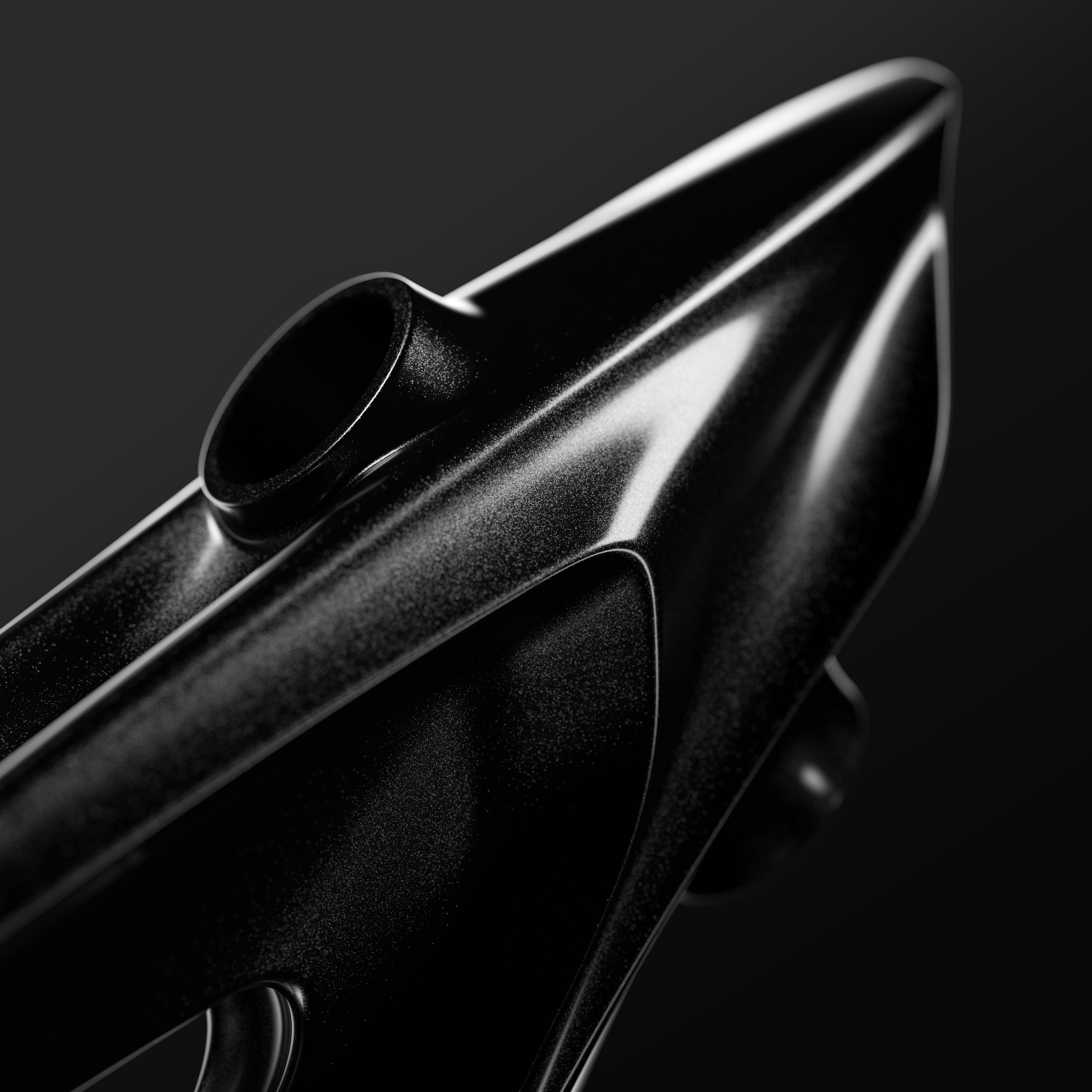
For projects like SYNTHESIS, KeyShot helps me understand how the curves and transitions behave under different lighting conditions. This is very important for surface refinement, because reflections often reveal details that are difficult to judge only inside CAD software.
I also use KeyShot extensively for material exploration and CMF development. After defining the general form, I test different finishes, color directions, surface textures, coatings, and material combinations. This helps me make more informed decisions before moving toward prototyping or production.
In the later stages, KeyShot becomes essential for communication: marketing renderings, website visuals, client presentations, interactive reviews, KeyShot Web experiences, KeyShot XR/360 views, animations, and final portfolio images. For me, KeyShot is not just a rendering tool; it is a bridge between design development, visual storytelling, and commercial presentation.

你最喜欢的KeyShot 或功能有哪些?
One of my favorite capabilities in KeyShot Studio is the ability to create and control materials in a very detailed way. Over the years, I have reached a point where I can look at a real material and understand how to recreate it inside the Material Graph. I really enjoy the freedom of building custom materials, adjusting layers, textures, coatings, roughness, transparency, and surface behavior until the object feels believable.
Another capability I appreciate is the way KeyShot can preserve animations created in other software, such as SolidWorks or Blender. This gives me a lot of flexibility, because I can continue developing the visual presentation inside KeyShot without losing the original motion or technical setup.
I also find KeyShot XR, 360 views, and AR exports very useful, especially for reviewing a product interactively or presenting it to clients and collaborators. They make the object easier to understand beyond a static image.
Finally, I value KeyShot’s ability to create highly photographic renderings. The control over lighting, cameras, depth of field, materials, and atmosphere allows me to present a product not only accurately, but also emotionally and commercially.
What advice would you give to fellow product and future-oriented designers?
My advice would be to understand that every beautiful product is built with attention, passion, perseverance, and a lot of work. A strong design does not usually appear immediately. It is developed over time, through many versions, mistakes, refinements, and decisions.
I would encourage young designers to create real prototypes whenever possible. A prototype is the moment when an idea becomes something you can touch, test, and understand in a much deeper way. You learn things from a physical object that you cannot always see on a screen.
It is also very important to learn how to communicate your ideas visually. The better people can understand your vision, the more they can appreciate the value and emotion behind the product.
At the same time, designers should accept criticism and use it as part of the process. Feedback helps you improve and see things from different perspectives. Inspiration should not come only from images online. It should come from observing the world: nature, architecture, materials, cars, speed, movement, and the way people interact with objects. Design does not stop at the idea. It continues until the product creates a real connection with people.
Visualization is not the end of my design process, it is one of the tools that shapes every design decision.
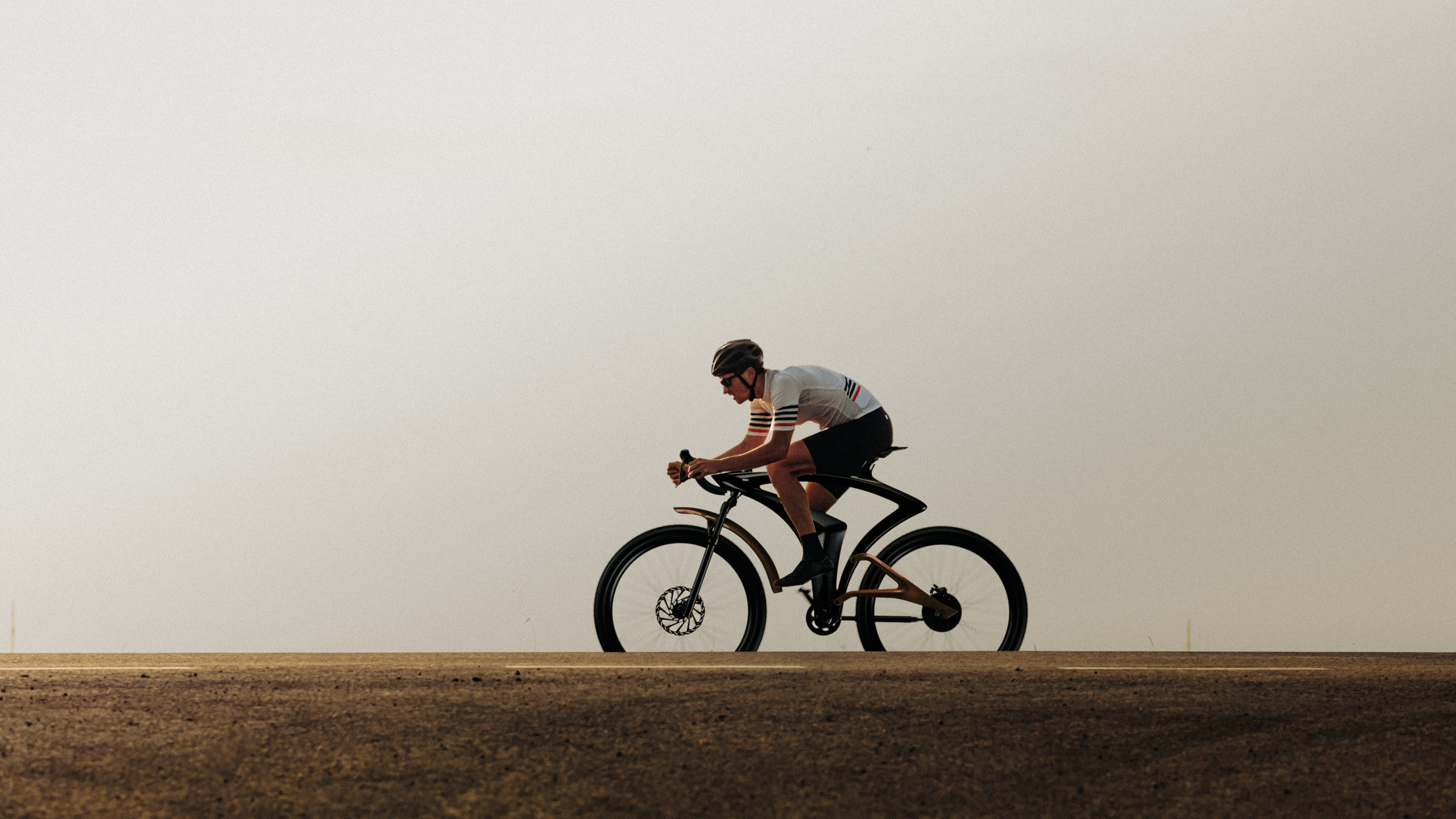
Visualization is not the end of my design process, it is one of the tools that shapes every design decision.
相关艺术家