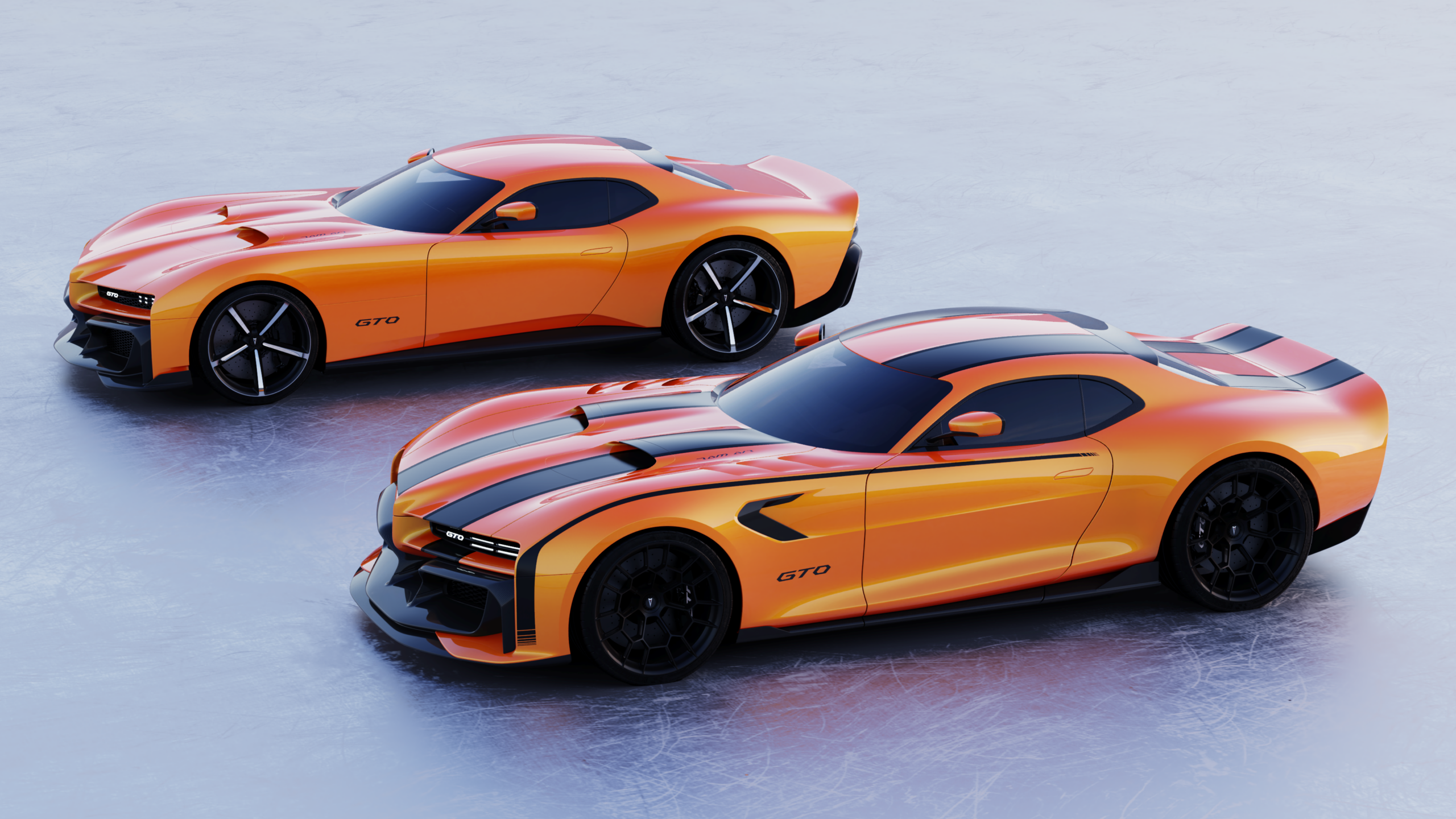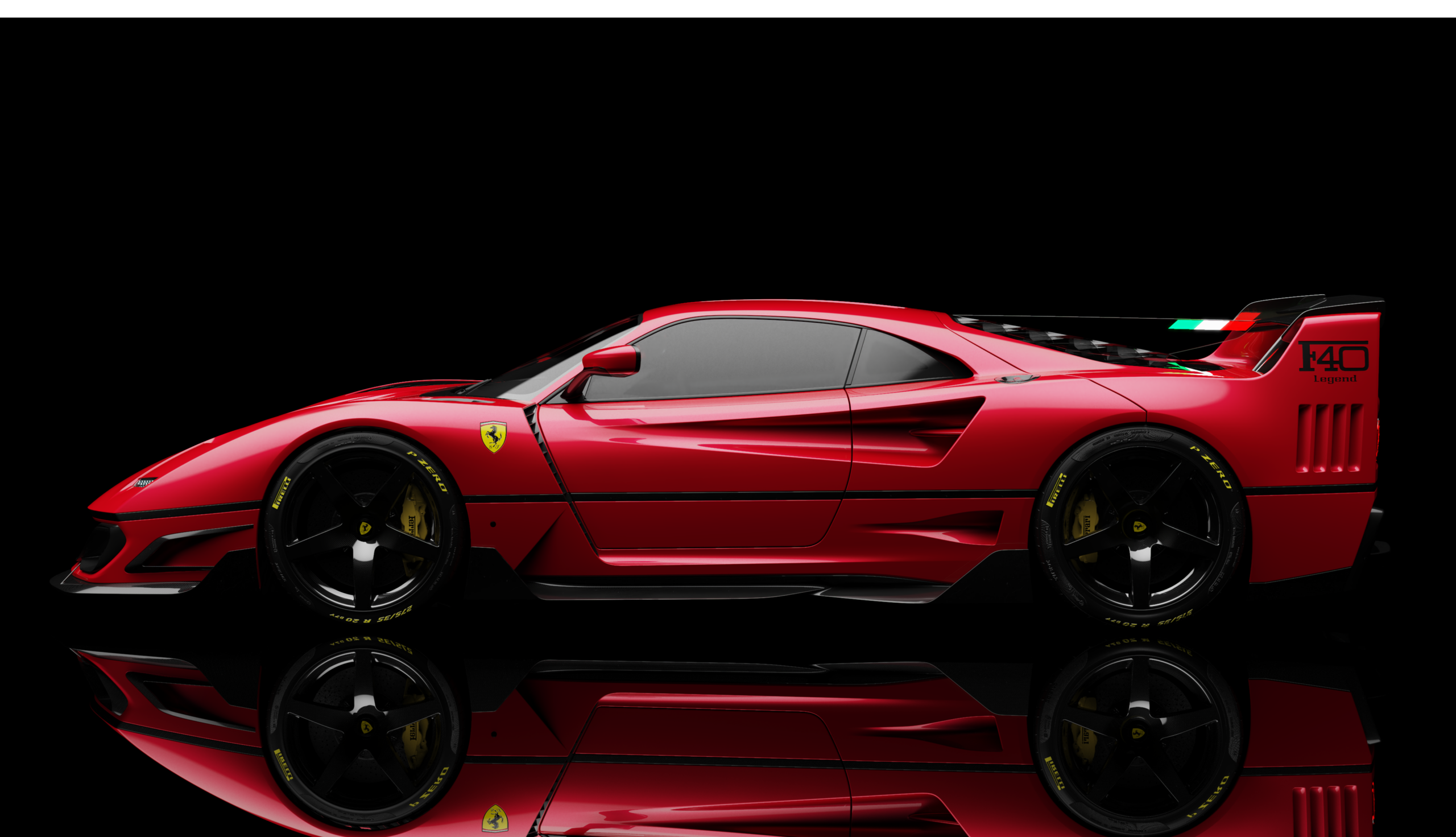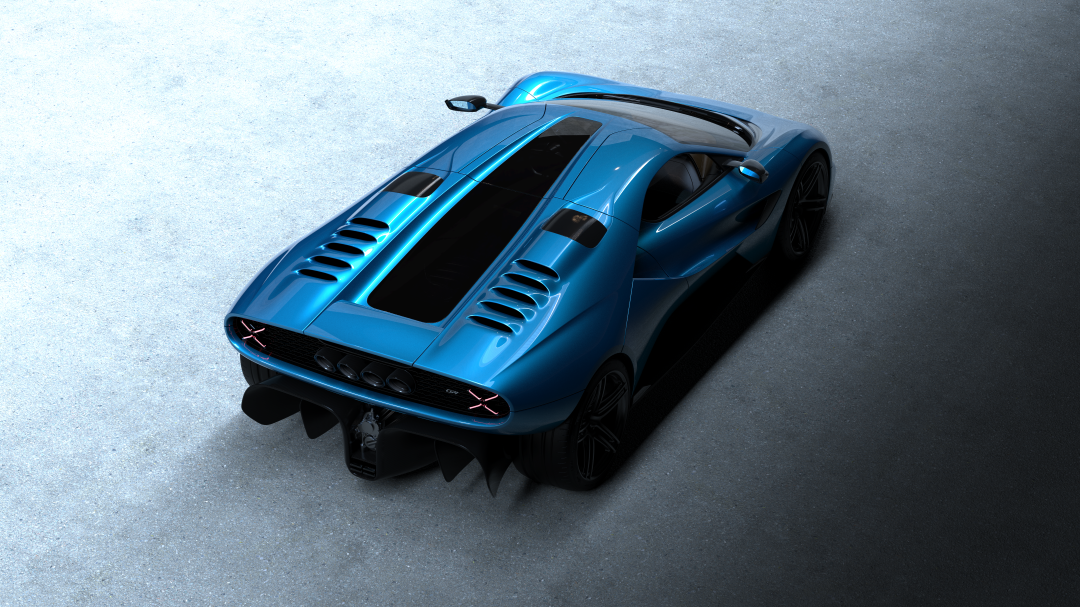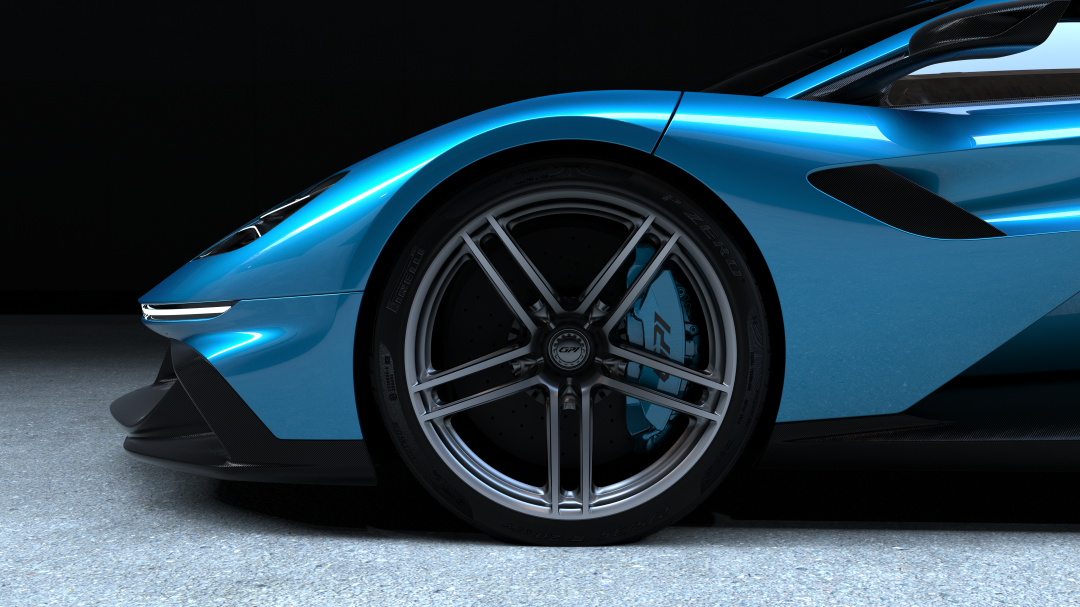
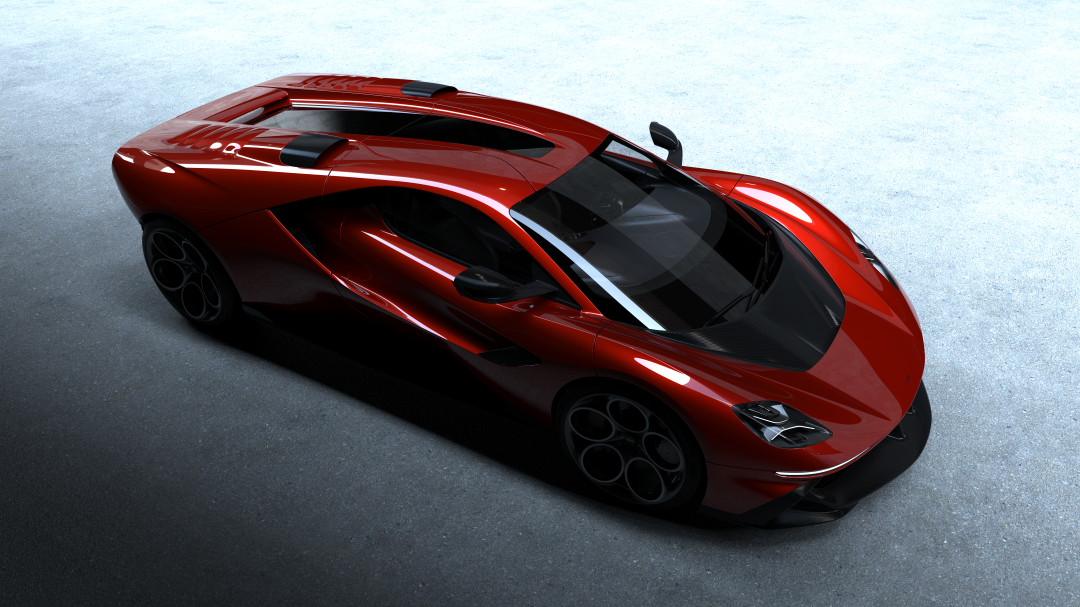
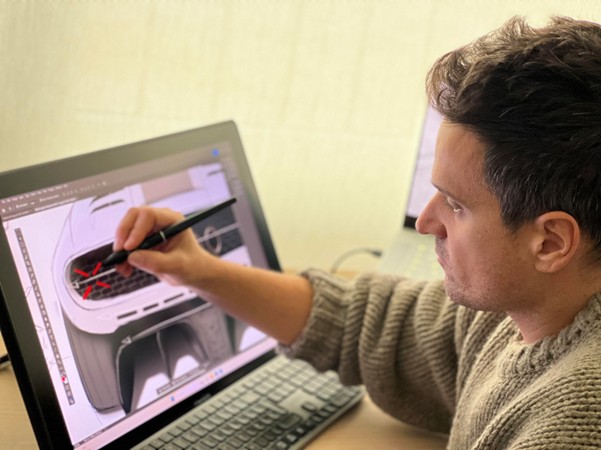
The Fourth D est un studio de design B2B studio par Ángel Guerra, designer numérique spécialisé dans l'automobile, qui se consacre à la visualisation en temps réel et à la conception de véhicules haute performance. En travaillant directement avec des clients du monde entier, le studio les intermédiaires afin de garantir des processus plus rapides, une communication claire et un engagement total dans chaque projet de design.
The Fourth D rassemble toutes les compétences d’un studio de design studio un interlocuteur unique. De l’esquisse 2D à la modélisation 3D de classe A, en passant par la visualisation, VR, l’ingénierie, l’ergonomie, l’homologation et les performances aérodynamiques, le studio flexibilité, délais raccourcis et coûts réduits. Fort de plus de 15 ans d'expérience, Ángel a fourni des services de conception à travers le monde, en collaboration avec des marques telles que SEAT, Citroën, Mercedes-Benz, Porsche et BMW. Il a joué un rôle clé chez Rimac Automobili lors du développement de la Rimac Nevera et a conçu l'hypercar GP1 pour Garagisti & Co.
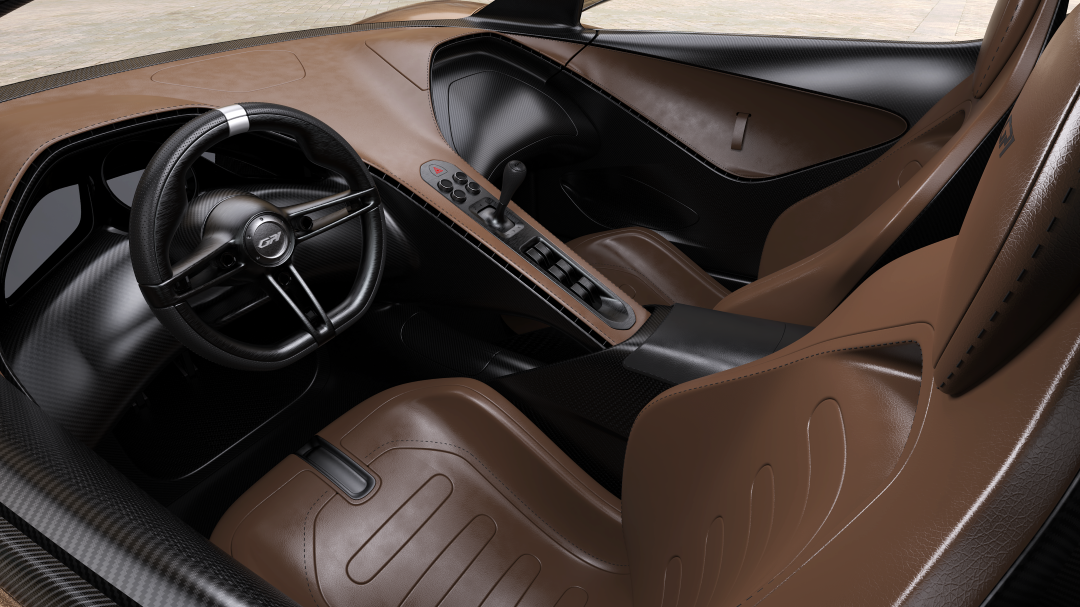
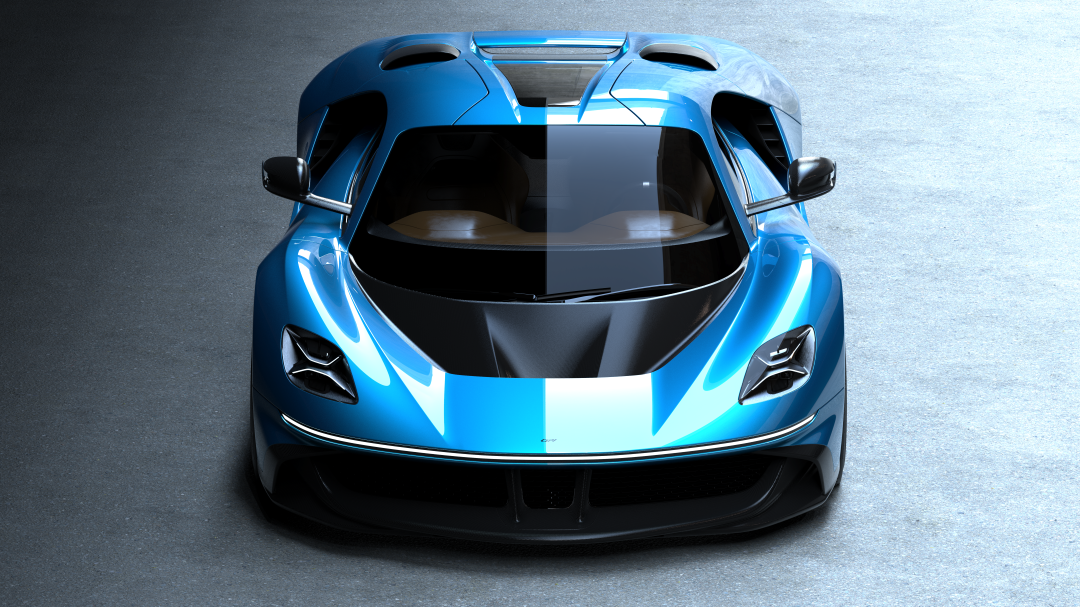
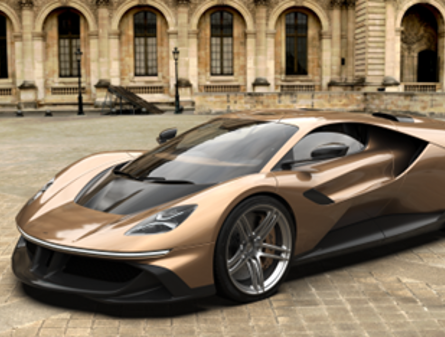
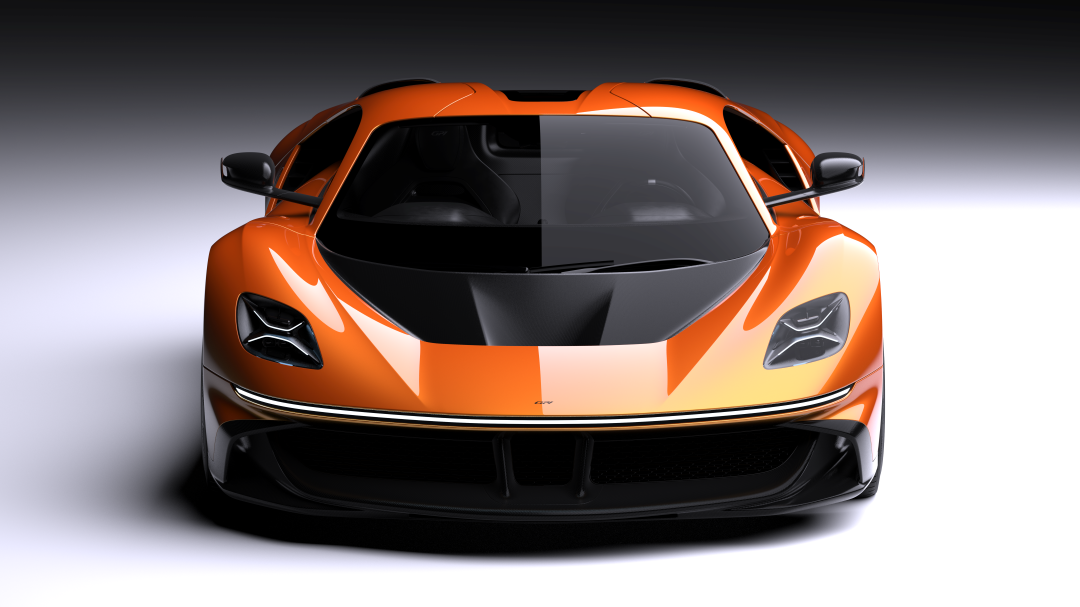
L'objectif avec la GP1 était de créer une voiture moderne inspirée du passé, dotée d'un design épuré et immédiatement emblématique. Elle incarne l'esprit des supercars « analogiques » des années 1980 et 1990, en référence à des modèles emblématiques tels que la McLaren F1, la Lamborghini Countach et la Porsche Carrera GT. Contrairement aux proportions surdimensionnées et aux éléments de performance mal intégrés des voitures d'aujourd'hui, la GP1 rétablit l'équilibre et un lien fort entre l'homme et la machine.
En quoi KeyShot -t-il votre flux de travail pendant le processus de conception ?
L'utilisation KeyShot outil de rendu en temps réel permet une prise de décision plus rapide, une validation visuelle immédiate et des résultats de conception plus fiables. C'est un élément central de ce que j'appelle l'« hyperflow », qui permet de passer du concept à une présentation prête à être présentée au client en seulement 7 semaines. KeyShot le fossé entre le concept et la production.
Le rendu d'un projet devient un outil d'analyse qui m'aide à prendre les bonnes décisions en matière de modélisation, tout en me permettant de gagner du temps et de l'argent.
Hyperflow –du concept au produit prêt pour le client en 7 semaines
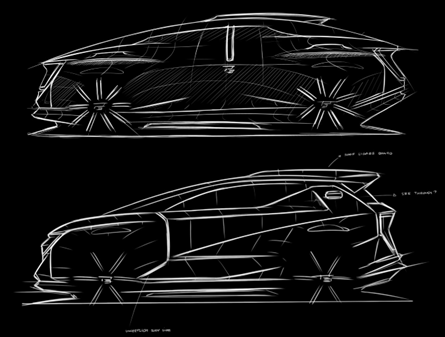
Modélisation directe des surfaces. Vous maîtrisez chaque point de contrôle et chaque courbe
Quels sont les défis que vous évitez en utilisant KeyShot outil de conception ?
Sans outils de conception en temps réel tels que KeyShot processus de conception se transforme en une sorte de « téléphone arabe » : le message se déforme à chaque étape. Lorsqu’un projet passe entre plusieurs mains, subit diverses interprétations et modifications, le risque de voir la vision initiale se perdre est très élevé. De plus, cela entraîne facilement des semaines d’allers-retours, des coûts croissants et un produit final qui risque de ne pas refléter l’intention initiale du concepteur.
Comment utilisez-vous KeyShot votre travail quotidien ?
KeyShot uniquement à réaliser des rendus finaux : c'est un élément central de mon processus de conception. La possibilité d'explorer les couleurs, les matériaux et les finitions (CMF) en temps réel est essentielle. Prenons l'exemple de la qualité des surfaces : lorsque l'on peut visualiser et observer en temps réel les reflets et la façon dont la lumière se propage sur les surfaces, on comprend immédiatement les aspects de la surface qui doivent être retravaillés.
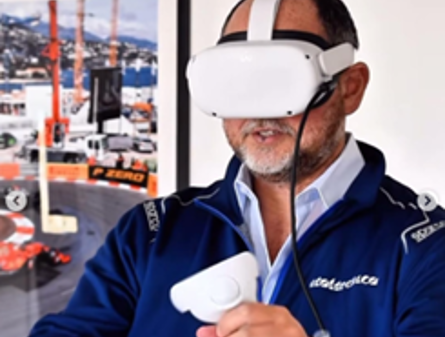
VR KeyShot me permet de découvrir mon projet à l'échelle 1:1 avant même qu'un prototype physique n'existe. Je peux ainsi faire le tour du véhicule, vérifier les proportions et valider la conception dans un contexte spatial réel.
Le fait de pouvoir valider la conception dès le début du processus permet de gagner un temps considérable !
« Le rendu devient un outil de diagnostic qui vous aide à prendre les bonnes décisions en matière de modélisation, tout en vous faisant gagner du temps et de l'argent. »
Quels conseils donneriez-vous à d'autres designers ?
La visibilité et le positionnement jouent un rôle essentiel dans le secteur du design d’aujourd’hui. Les designers qui s’imposent ne sont pas forcément les plus talentueux : ce sont ceux qui se font le plus remarquer. Je conseillerais aux designers de créer des projets de démonstration ciblés et de les partager de manière stratégique sur les réseaux sociaux. La combinaison de flux de travail en temps réel et d’une image de marque personnelle renforce la crédibilité, génère des opportunités et permet de produire des travaux de design à fort impact. D’un point de vue commercial, cette approche m’a inévitablement aidé à attirer des clients internationaux et à décrocher des missions de conseil auprès de marques d’hypercars et de luxe.